
- Introduction to the War Report 🎥
- Hosts introduce the episode and each other.
- Emphasis on the importance of discussing serious topics, particularly mental health among veterans.
- Discussion of Loss 💔
- Sergeant Nicholas Irvin shares about his brother who recently took his life.
- Discussion of the emotional impact and frequency of similar calls over the years.
- Nicholas Irvin’s Military Background 🎖️
- Irvin details his enlistment at age 17 with his mother's consent.
- Shares his early interest in military service and eventual path to becoming an Army Ranger.
- Life Lessons Learned 📚
- Irvin emphasizes the importance of knowing one's purpose and living life fully.
- He discusses the gap between expectations and reality in military life and beyond.
- Reflections on Military Deployments 🎯
- Conversation shifts to Irvin's military achievements, including confirmed kills and the complexity of war.
- Highlights the struggles faced by veterans upon returning to civilian life.
- Transitioning Home from Deployment 🎖️
- Discussion on the contrast from battlefield to home life.
- Experiences of loss, including the death of comrades and the subsequent emotional toll.
- Shared the tradition of going to Walmart upon returning home, highlighting the colorful environment compared to war zones.
- Emotional Burden and Trauma 😢
- Explanation of crying when calling home, particularly to the father.
- Reflecting on wounds of war and stress caused by intense missions.
- Traumatic memories of combat encounters and loss of life.
- Struggles Post-Service 🔄
- Questioning the transferability of military skills to civilian life.
- Expressed sentiments of feeling unqualified for civilian jobs despite military training.
- The challenge of adapting back into society after rigorous experiences.
- Mental Health Challenges 🤔
- Insight into the psychological impacts of military training on job prospects.
- Discussed perceptions of threat and how military conditioning affected daily interactions post-service.
- Concerns about coping mechanisms such as drinking and perceptions of danger in civilian life.
- Coping Through Alcohol 🥴
- Reflection on how alcohol consumption began and escalated during military service.
- Acknowledgment of difficulties faced regarding cessation of drinking and adapting socially.
- Mentioned the dark side of coping with trauma through substance use.
- Struggles with Alcohol 🍺
- Early Habit Formation: The speaker discusses how a dislike for beer transformed into a drinking habit during airborne school and escalated after their first deployment.
- Impact of Deployments: Drinking became a daily norm, with a six-pack during lunch seen as manageable alongside military tasks.
- Concern From Peers 🛑
- Warning Signs: A fellow soldier intervened, emphasizing the need for help due to the speaker's heavy drinking, which included straight liquor and multiple beers.
- Loss: The soldier who showed concern passed away shortly after, amplifying the speaker's feelings of loss and urgency around the drinking problem.
- Transition to Civilian Life 🚪
- Life Changes: Post-military life led to increased drinking due to lack of structure, with the speaker obsessively drinking from morning till passing out to suppress painful memories.
- Effects on Relationships: The spouse was distressed by the speaker's drinking habit as everyday life revolved around alcohol.
- Veteran Suicides Statistics 📈
- Alarming Data: An overview of veteran suicide rates showcases that veterans are significantly more likely to die by suicide compared to civilians, with a notable rise in risk during the first year after leaving the military.
- Personal Reflection: The speaker relates these statistics to personal experiences of depression and moments when they considered taking their own life.
- Journey to Healing 🌱
- Treatment Attempts: The speaker recounts trying various treatment methods, including AA and medications from the VA, but felt disillusioned and began exploring alternative therapies.
- Psychedelic Medicines: The introduction of alternative, non-prescription options like psilocybin is highlighted as a pivotal moment in their healing journey.
- Microdosing Experience 🍄
- Discussion begins on microdosing psychedelics without prescription.
- The speaker references Mike Tyson's podcast as the start of their journey into psychedelics after trying a high dose of mushrooms for the first time.
- Encounter with God 🙏
- The experience described as feeling a direct connection to God and seeing a scroll with a message akin to the Ten Commandments.
- The user articulates feelings of both love and terror, depicting a powerful encounter with the divine.
- Journey to Hell 🔥
- The speaker details a terrifying experience in a void, likening it to hell, void of love or communication from God.
- This experience serves as a stark contrast to the profound connection felt moments before.
- Transformational Insights ✨
- After the experience, a realization emerges that worshipping in the presence of God is preferable to earthly life.
- The importance of making the most of life is emphasized, alongside coping mechanisms learned from the experience.
- Life Comparison ⚖️
- Reflecting on the drastic change in mindset, the speaker compares the current self to a former self contemplating suicide, highlighting a journey of healing and self-awareness.
- Acknowledgment of the impact of past experiences as tests and their role in personal evolution.
- The Fragile Line Between Life and Death 🌌
- The discussion starts with the concept that the line between life and death feels nonexistent.
- A friend’s tragic decision to take his life prompts reflection on mental health and hidden struggles.
- Admiration for a Lost Mentor 🌠
- The speaker shares about Adterbury, a significant figure in his life, who was a supportive mentor in the sniper section.
- Describes him as the epitome of a calm and skilled individual among snipers, highlighting the surprising nature of suicide among seemingly happy individuals.
- The Legacy of Trauma 💔
- Reflects on the pattern of alcohol and trauma seen in veterans and how these issues can exacerbate personal pain leading to tragic decisions.
- Emotional memories resurface over time, impacting mental health deeply.
- Unexpected Signs and Ego's Role 🧠
- Discusses the unexpected nature of suicide when a person appears happy, emphasizing the importance of recognizing signs that may go unnoticed.
- Suggests that ego often prevents individuals from reaching out for help when they are vulnerable.
- The Power of Kindness 🤝
- Advocates for greater kindness and connection, highlighting the importance of small gestures in helping others endure tough times.
- Emphasizes that fostering human connections can be crucial in supporting those struggling with mental health issues.
- The Power of Kindness 😊
- Smiling at strangers can have a profound impact.
- Initiating a call to an old friend can show genuine care and support.
- Reciprocity in friendships is important; reaching out can also aid your mental health.
- We need to restore the personal touch in communication, moving beyond social media likes.
- Understanding Others' Struggles 💔
- Recognizing that every individual is facing their own battles.
- Simple gestures of kindness, like a smile, can be life-saving.
- These acts can reaffirm that life is worth living for someone struggling.
- Experiences of Isolation 🤝
- Discussing feelings of being undervalued or unnoticed upon returning from deployments.
- Emphasizing the importance of acknowledgment and connection with friends and family.
- Seeking acknowledgment validates one's experiences and combats feelings of loneliness.
- Forgiveness and Redemption 🙏
- Delving into forgiveness, especially in the wake of grave actions.
- Love is noted as a powerful force that facilitates forgiveness beyond understanding why.
- The conversation touches on struggling with self-forgiveness after traumatic experiences.
- Addressing Mental Health in Military 🛡️
- Highlighting the urgent need for mental health support for military personnel.
- Suggesting that a significant part of military funding should prioritize mental health services.
- Pointing out the lack of re-integration programs and training for returning soldiers, mirroring issues faced by the institutionalized.
- The Impact of War on Lives 💔
- Emotional Toll: Discusses the devastating effects of war on families and veterans.
- Personal Experience: Shares the high divorce rate among veterans and the trauma they face.
- Invisible Scars 📉
- Mental Health: Highlights that many veterans suffer from mental and spiritual scars that aren't always visible.
- Struggles for Help: Veterans face difficulties accessing medication and mental health support.
- Systemic Issues ⚠️
- Critique of the System: Calls for societal accountability in preventing pointless wars and advocating for veterans' needs.
- Last Resort: Emphasizes that war should always be a last resort, advocating for education and empathy.
- Understanding the Costs 📊
- Life Alterations: Discusses the lifelong changes that war inflicts on service members, both physically and mentally.
- Personal Reflection: Reflects on his own transformation due to military service and the impact on his identity.
- Message of Hope and Healing 🌈
- Powerful Ending: Reinforces that war changes individuals forever and expresses hope for the words to reach those in power.
- Appreciation of Purpose: Conveys gratitude for the platform to discuss these important issues and aims for healing.
📬 Never miss a djvlad video — every new upload summarised in your inbox.
Follow free
More from djvlad
 Army Sniper Nicholas Irving on US vs Iran War, ICE, Government Shutdown (Full Interview)
 Nicholas Irving on 45 Days of War, Ineffective US Tactics & Israel (Uncensored Full Interview)
Nicholas Irving on 45 Days of War, Ineffective US Tactics & Israel (Uncensored Full Interview)
Nicholas Irving on 45 Days of War, Ineffective US Tactics & Israel (Uncensored Full Interview)
 Nicholas Irving on Trump Ultimatum to Iran, The Strait of Hormuz & Stock Market (Full Interview)
Nicholas Irving on Trump Ultimatum to Iran, The Strait of Hormuz & Stock Market (Full Interview)
Nicholas Irving on Trump Ultimatum to Iran, The Strait of Hormuz & Stock Market (Full Interview)
Nicholas Irving on Trump Ultimatum to Iran, The Strait of Hormuz & Stock Market (Full Interview)
Nicholas Irving on Trump Ultimatum to Iran, The Strait of Hormuz & Stock Market (Full Interview)
 Nicholas Irving on U.S. in Iran Over 60 Days, Secret Service Failing Trump (Full Interview)
Nicholas Irving on U.S. in Iran Over 60 Days, Secret Service Failing Trump (Full Interview)
Nicholas Irving on U.S. in Iran Over 60 Days, Secret Service Failing Trump (Full Interview)
 Nicholas Irving on U.S.- Iran, Rising Gas Prices & The War Powers Act (Uncensored Full Interview)
 Nicholas Irving on US vs Iran War, Oil Control & Combat Mindset (Full Interview)
 Nicholas Irving: The Heavy Toll of Combat & the Pain of Losing Comrades (Full Interview)
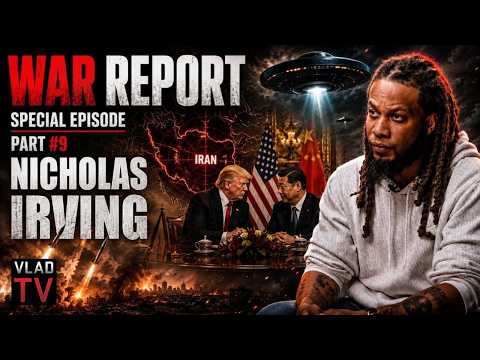 Nicholas Irving: UFO Declassifications are a Distraction From America’s Economic Crisis
 Nicholas Irving: War at 100 Days, Could Last to 2027, Trump Avoids Escalation (Full Interview)