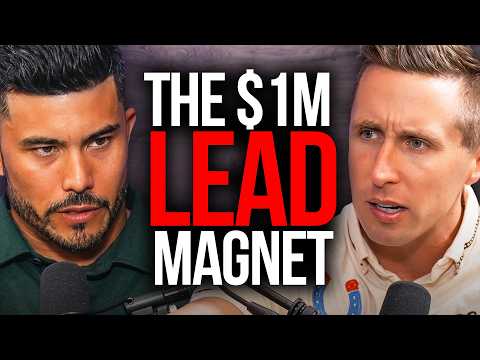
Episode Summary — Matt Wright: Building & Exiting Australia’s Biggest Car‑Buying Platform 🚗💥
Key Facts / Highlights
- Guest: Matt Wright, built largest online car‑buying business in Australia → ~$500M revenue, 9‑figure exit (sold to Toyota).
- Company grew extremely fast: became largest in country within 60 days of launch.
- Final sale process: 5 offers, Matt didn’t know buyer until 2 hours before signing; one alternative bid was $25–30M higher but demanded 4‑year stay.
- Exit effects: felt unfulfilled after sale; experienced burnout and major personal trade‑offs.
Origin Story & How the Business Was Built
- Matt emigrated from the UK to Australia at ~21 with ~$4,000; entered sales jobs, excelled, joined a small car‑buying firm (father & son).
- Ran that firm ~5 years, then left to start his own company at 27 (Nov 2019).
- Core model: buy cars directly from consumers (heavy digital ads) → wholesale to dealers (not retail), later moved to large centralized inventory model (like CarMax).
- Unique advantage in Australia: no dominant online car‑buying household brands, archaic industry, and supply gaps during COVID market spike.
- Scaled to ~6–7% active market share while physically operating in one state; peaked at ~230–240 staff and 1,500 cars under one roof.
Growth & Operations — What Worked
- Matt started hands‑on (wholesaling himself) then learned to delegate: hiring best‑in‑role people unlocked rapid scale.
- Operational focus: strategy, accountability, and building top teams (best wholesaler, best GM of buying, top sales managers).
- Sale due diligence lasted ~18 months and required the business to run without constant founder involvement.
Why He Sold (and Chose Toyota)
- Burnout from daily firefighting, personnel issues, and constant low‑level stress.
- Wanted freedom and a new purpose; Toyota purchased 100% (unusual—Toyota rarely buys used‑car ops in first‑world countries).
- Post‑sale: advisory arrangement (weekly check‑ins), no earnouts. Toyota plans nationwide expansion and physical locations.
Personal Costs & Lessons — The Human Side ❤️🩹
- Major personal sacrifices: strained relationships, long periods apart from family during COVID.
- Example: partner and daughter separated by travel/visa rules; Matt didn’t see his daughter from infancy until she was 3.5.
- After exit he felt a “complete lack of fulfillment” — realized he’d sacrificed relationships for business goals.
- Key lessons:
- Trade‑offs are real — success comes with personal cost.
- Prioritize relationships and faith; actions must match stated priorities.
- Structure and early advice (legal/tax) are vital when starting a business.
- Bet on the founder/person over the idea (A founder + C business > C founder + A business).
Advice for Founders / Actionable Takeaways 🛠️
- Hire specialists early and let go of control when appropriate — delegation scales businesses.
- Put structure and tax/asset protection in place from day one; pay for good advice upfront.
- Beware deal fatigue in long sale processes — maintain perspective on terms and personal limits.
- Balance wins: recognize life windows (kids, spouse) and set non‑negotiable standards/limits.
- When building: focus on solving clear market problems and/or doing boring industries better.
Post‑Exit Focus & Next Moves (Matt’s Plans) 🚀
- Launching Founder Finds Future: investing $1M each into one founder in Australia, UK, US (ages 21–35).
- Process: shortlist → on‑site interviews → pick winners; equity terms vary. Apply: founderfindsfuture.com.
- Personal goals: restore balance, deepen faith, focus on family, scale impact via investing & mentorship.
- Building personal brand, documenting journeys, and staying active in ventures (not retiring).
Notable Quotes
- “Complete lack of fulfillment… it’s not the destination, it’s the journey.”
- “You have to hold priorities to a standard — actions reveal what’s truly important.”
- “I’d rather an A founder with a C business than a C founder with an A business.”
Quick Practical Insights (for someone replicating this model)
- Market analysis: identify countries/segments lacking dominant online players (low competition, high fragmentation).
- Supply strategy: buy direct from consumers with strong digital acquisition when incumbents are offline/archaic.
- Business model: wholesaling to dealers can be highly profitable; centralize inventory when scale permits.
- Team: recruit top performers in buying, operations, and sales before aggressive scale or M&A.
- Sale prep: ensure business can run without founder; documentation, financial modeling, and tax/accounting diligence are crucial.
Emotional & Strategic Takeaway 🎯
- Building a rapid, high‑valuation business is possible by copying proven models in underserved markets — but success without intentional life balance can lead to emptiness. Align ambition with non‑negotiable personal priorities to avoid costly trade‑offs.
If you want, I can:
- Extract the step‑by‑step playbook he used for digital consumer acquisition and wholesale flow. ✅
- Create a short checklist for founders preparing for high‑stakes M&A due diligence. ✅
📬 Never miss a Ryan Pineda video — every new upload summarised in your inbox.
Follow free